
For the past few months, we have been watching Zebra Re-Brand themselves. Going from a clean look to an even cleaner look, black and white like a Zebra of course, with splashes of the green that they have been using to signify their ultra rugged products for the past few years.
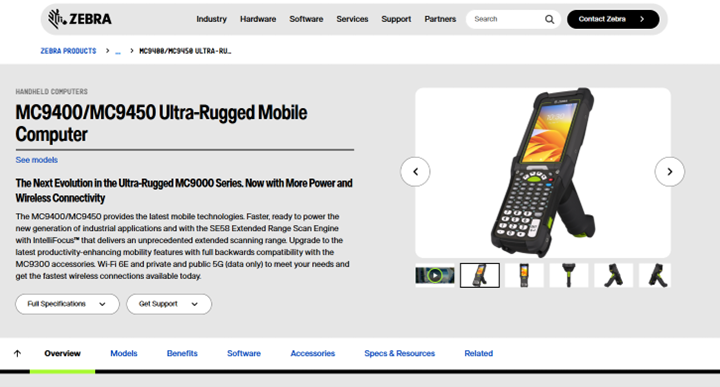
The teaser video that Zebra showed when they announced the rebranding hinted that more mass media advertising might be coming. You know like Grainger, Cisco, or CDW. Companies that could be considered industrial, B2B contemporaries of Zebra’s, but with better brand recognition due to years of more mass media advertising, sponsorships and naming rights.
So far, no Zebra Super Bowl commercials, or Stadiums, or PGA tour stops, but we can hope. The teaser video pointed out that the man (or woman) on the street knows what a Zebra is but has no idea what Zebra Technologies is. That is funny since retail workers tend to call their mobile computers Zebra’s.
Getting closer to home, this all made us stop and re-evaluate our own marketing presence, and particularly our website. We did a pretty complete website overhaul a few years ago and built in hooks that refresh its content every time that we release a newsletter or YouTube video. We still have to monitor the product images to keep them up to date.
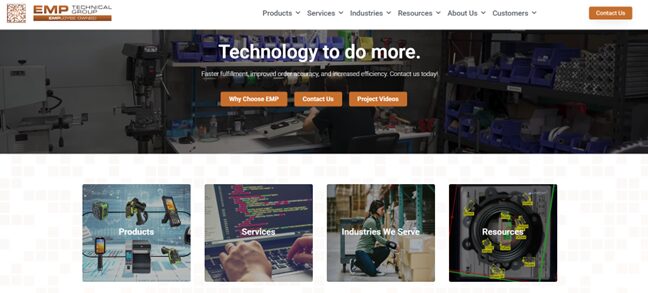
If you let Google AI do the work and tell you how to market your small IT business, it comes up with the following:
Content marketing
- Create valuable content: Develop blog posts, articles, whitepapers, case studies, and videos that address your target audience’s problems and show your expertise. This positions you as a thought leader and attracts inbound leads.
- Focus on educational content: Provide helpful tips and recommendations related to your technology, rather than just sales pitches, to build trust.
- Distribute widely: Share your content across your website, blog, social media, and email to maximize reach.
Digital presence
- Build a professional website:Ensure your website is modern, user-friendly, and updated with your latest work, client testimonials, and a blog to make a strong first impression.
- Utilize SEO:Implement Search Engine Optimization to increase organic traffic and visibility.
Social media
- Choose the right platforms: Focus on platforms where your target audience is most active, such as LinkedIn for B2B or other sites for B2C.
- Engage your community: Respond to comments and questions to build relationships and show that your brand is active and approachable.
- Use paid social: Supplement organic efforts with paid ads to target specific audience segments based on demographics, job titles, and interests.
Other key tactics
- Leverage reviews and testimonials:Encourage customers to leave reviews on sites like G2 or Capterra to build trust and social proof.
- Focus on existing clients:Nurture your current customer base, as it is often more cost-effective to expand with existing clients than to acquire new ones.
- Integrate emerging tech:Show your company’s capabilities by integrating and demonstrating new technologies.
- Consider influencer marketing:Partner with tech influencers to enhance credibility and expand your reach.
We felt pretty good after Google let us know what we should be doing. It is pretty much what we figured out the hard way a few decades ago, before Google AI existed. Create your own content that shows what makes your company different, and special. Create content that is informative and helpful. Churn it out regularly with fresh ideas. OK, maybe take off December and do the best of edition. But the other 11 months, come up with something new!
So welcome to our marketing experiment! Trying to keep you informed on what we are doing, what makes us different and how we can help you! So, if you want a technology partner who is trying like crazy to get your attention and to help you with your operations, visit us at www.emptechgroup.com to learn more.